Discover the Advantages of Aluminum Casting in Modern Manufacturing
Aluminum casting has actually emerged as a pivotal procedure in modern-day production. Its lightweight yet durable nature provides significant advantages for different sectors. The capacity to accomplish complex layouts and maintain limited tolerances includes to its charm. Precision aluminum casting. Additionally, the cost-effectiveness and environmental benefits make it a lasting option. As suppliers seek cutting-edge options, the duty of aluminum casting continues to advance. What certain applications and advantages await expedition in this dynamic area?
Light-weight Yet Strong: The Advantages of Aluminum
Numerous materials are used in production, aluminum stands out due to its exceptional combination of light-weight homes and exceptional strength. This unique characteristic makes aluminum a perfect selection for different applications, specifically in industries such as automobile, aerospace, and building. Its reduced thickness permits simpler handling and transport, adding to decreased power consumption during production and setting up procedures.
In addition, aluminum's strength-to-weight proportion is outstanding, allowing producers to develop durable parts without adding unnecessary bulk. This characteristic is especially important in fields where weight decrease can result in boosted gas efficiency and general performance. Additionally, aluminum's resistance to deterioration boosts the durability of products, further strengthening its charm in contemporary production.
Ultimately, the lightweight yet solid nature of aluminum positions it as a preferred material, fostering technology and effectiveness across multiple markets. Manufacturers progressively recognize that these benefits can result in substantial innovations in layout and performance.
Precision and Intricacy in Layout
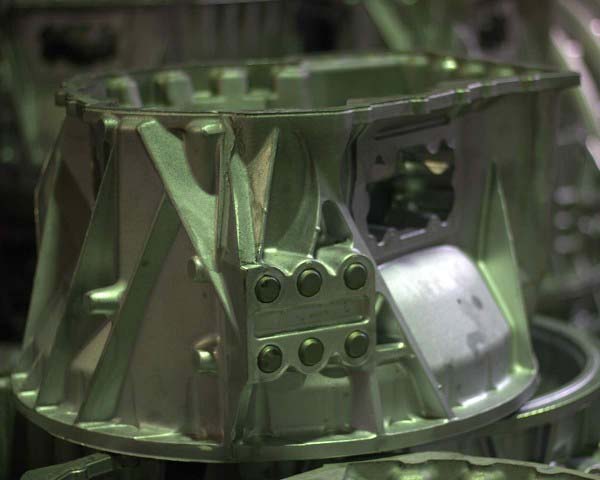
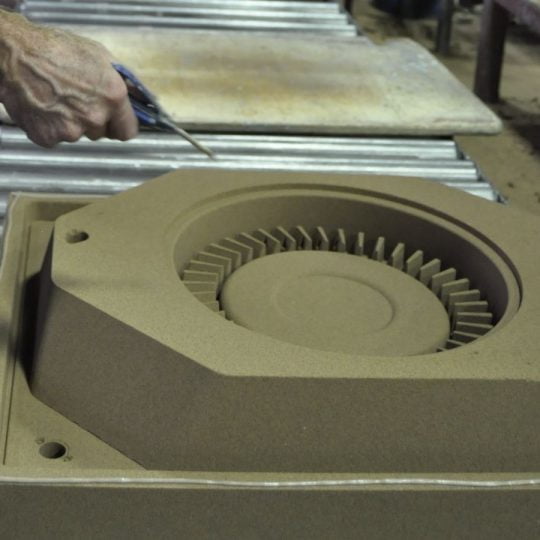
As manufacturers embrace the capacities of aluminum casting, they find new opportunities for precision and intricacy in design. This manufacturing process enables for the production of detailed forms and comprehensive features that standard approaches commonly have a hard time to accomplish. The fluidness of liquified aluminum allows it to fill complex molds, resulting in elements with tight resistances and fine surface finishes.
This precision is specifically advantageous in industries such as aerospace and vehicle, where exact requirements are essential for performance and safety and security. Aluminum casting additionally accommodates innovative styles that boost performance without compromising architectural integrity.
Cost-Effectiveness and Efficiency
Cost-effectiveness and effectiveness are paramount factors to consider for makers exploring aluminum casting as a manufacturing approach. Aluminum casting offers significant expense benefits as a result of its reduced material costs contrasted to various other metals (Precision aluminum casting). The lightweight nature of aluminum reduces shipping and handling expenses, and its excellent thermal conductivity enables quicker cooling times during the casting procedure, enhancing total production rate
Aluminum's flexibility makes it possible for producers to produce complex shapes and styles, lessening the requirement for added machining or assembly. This streamlining of manufacturing not just minimizes labor prices yet additionally reduces lead times, allowing business to react quickly to market demands.
The longevity and corrosion resistance of aluminum castings add to longer item lifespans, lowering replacement prices over time. Because of this, suppliers can accomplish a balance of high-quality output and decreased functional expenses, making aluminum casting a progressively attractive alternative in contemporary production.
Ecological Sustainability of Aluminum Casting
Aluminum casting stands out as an environmentally sustainable manufacturing choice, especially because of its recyclability and lowered eco-friendly impact. The procedure allows for the efficient use aluminum, a product that can be recycled forever without losing its buildings. This particular substantially reduces the need for virgin aluminum, consequently reducing and saving all-natural resources power consumption related to removal and processing.
Applications Across Industries: From Automotive to Aerospace
While varied industries remain to look for cutting-edge products for manufacturing, aluminum casting has verified to be a functional solution throughout fields such as automotive and aerospace. In the auto sector, aluminum castings add to lightweight automobile designs, improving gas efficiency and performance. Parts like engine blocks, transmission housings, and wheels take advantage of aluminum's strength-to-weight ratio.
Similarly, in aerospace, aluminum casting plays a considerable role in producing complex components that call for high toughness and reduced weight. Airplane elements such as braces, landing equipment, and structural frameworks make use of aluminum for peak performance and safety.
The adaptability of aluminum casting enables it to provide to various other sectors, including customer electronic devices, marine, and industrial equipment. This convenience not just fulfills the specific demands of different applications yet also supports ongoing technology in manufacturing processes. Because of this, aluminum casting stays a principal in modern-day manufacturing across many markets.
Frequently Asked Questions
Just How Does Aluminum Casting Compare to Various Other Metal Casting Procedures?
Aluminum casting offers premium strength-to-weight ratios, faster air conditioning rates, and superb rust resistance contrasted to various other metal casting procedures. These benefits make it excellent for different applications, enhancing efficiency and performance in manufacturing.
What Are the Common Lead Times for Aluminum Casting Projects?
Normal preparation for aluminum casting projects range from two to eight weeks, relying on factors such as complexity, order size, and production capacity. Reliable preparation can aid minimize delays and enhance project timelines.
Can Aluminum Casting Be Used for Intricate Styles?
Aluminum casting can without a doubt suit intricate layouts. Aluminum Foundry. Its fluidness enables detailed patterns and shapes, hop over to here making it suitable for complicated components in numerous sectors. This flexibility boosts design flexibility while keeping architectural integrity and performance
What Post-Processing Options Are Readily Available After Aluminum Casting?
Post-processing options for aluminum casting consist of machining, polishing, surface area therapies, anodizing, and welding. These methods enhance the coating, enhance dimensional precision, and boost corrosion resistance, therefore enhancing the end product's performance and visual charm.
Just How Do Temperature Adjustments Impact Aluminum Casting High Quality?
Temperature modifications considerably effect aluminum casting high quality by impacting fluidity, solidification rates, and prospective problems. Rapid cooling can bring about raised brittleness, while too much warm may trigger bending or incomplete dental filling of mold and mildews during casting.
Aluminum casting has actually arised as a crucial procedure in modern-day manufacturing. As manufacturers accept the capacities of aluminum casting, they uncover new opportunities for precision and intricacy in design. Aluminum casting procedures usually generate fewer greenhouse gas discharges compared to other steel casting approaches. While varied sectors proceed to seek ingenious products for production, aluminum casting has actually confirmed to be a functional remedy throughout fields such as vehicle and aerospace. In the vehicle industry, aluminum castings add to light-weight lorry styles, boosting gas effectiveness and performance.